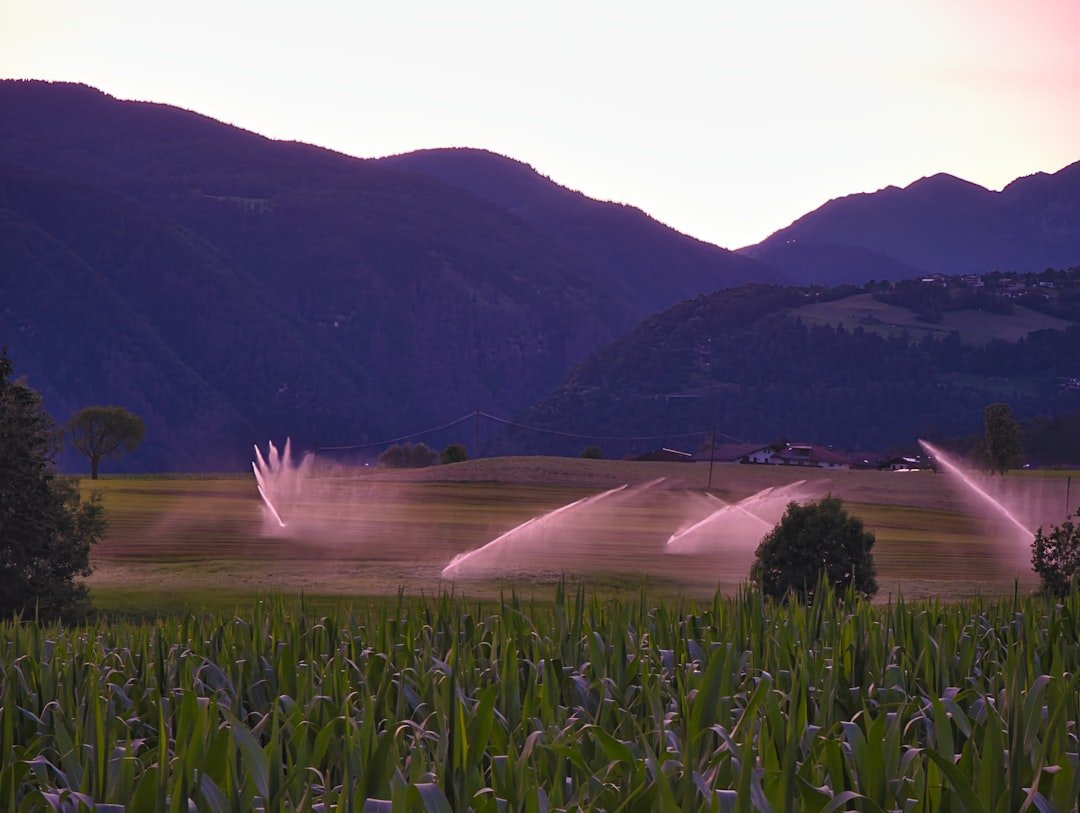
Twin Falls, Idaho Pressurized Irrigation Users Warned of Reduced Water Supply This Summer Due to Low Snowpack
TWIN FALLS, Idaho — Homeowners connected to the city’s pressurized irrigation system should prepare for a drier-than-normal summer season, as low winter snowpack has left Twin Falls with a reduced water supply heading into peak irrigation months, city officials warned this week.
Public Works Director Josh Baird said the shortfall begins at the source. The Twin Falls Canal Company, which supplies water to the city’s irrigation system, will not be delivering a full water share this year.
“The Twin Falls Canal Company isn’t giving us a full water share. We’re starting out lower than a typical year, which means the amount of water total that we’ll be receiving will be a little bit less than it typically is,” Baird said.
The announcement comes as much of the Magic Valley experienced a dry and warm winter, leaving regional water managers and agricultural users across southern Idaho facing difficult choices about how to stretch limited supplies through the summer months. For broader coverage of water conditions affecting Idaho agriculture statewide, visit Idaho News.
What Residents Can Expect This Season
City officials say the standard alternating-day irrigation schedule remains in effect. Odd-numbered addresses water on odd-numbered calendar days, while even-numbered addresses water on even-numbered days. Residents are permitted a full 24-hour window on their assigned watering day. The schedule is designed to split demand across the system and allow shared water supplies to stretch further.
Despite the schedule remaining unchanged, the reduced water volume will create noticeable effects on system performance. Storage ponds and vaults that feed neighborhood irrigation lines will take longer to fill and will empty more quickly than in previous years. That means some residents may experience lower water pressure earlier in the season than they are accustomed to.
“It’ll just take longer to fill those ponds and those vaults, and the pond will run out quicker — it might have a problem with your pressure sooner than it has in years past,” Baird said.
Baird also cautioned residents that conditions could worsen as summer progresses. With a warm, dry forecast ahead, officials say there is an increasing possibility of further curtailments — restrictions that have historically hit in June, July, or August.
“There’s a likelihood — and it’s looking like a greater likelihood — that we might even have further curtailments. In years past, we’ve been curtailed in June or July or August, and that may occur again this year,” Baird said.
Conservation Tips and System Start-Up Guidance
City officials are asking Twin Falls residents to approach this season with a conservation mindset. Baird emphasized that every household’s effort to reduce water use will make a meaningful difference across the shared system.
“Recognize that it is a year of low water, and so do your part to conserve water as much as you can. Recognize that we live in a desert, and so we’re doing our best to provide people with green lawns, but please, have some patience and please conserve as much as you can,” Baird said.
Among the practical steps Baird recommends: spread out watering times throughout the day to target low-demand windows, and water more deeply and less frequently. Allowing water to soak into soil fully between sessions reduces the need for repeated short cycles that strain system pressure.
“If you could let that water sit and you water well, you don’t have to water as often,” Baird said.
For residents getting their irrigation systems back online after winter, Baird advises patience before hooking up home equipment. He recommends allowing the system to run for a day or two after activation to flush out any sediment or debris that may have accumulated over the off-season. Residents should also check the city’s official website to confirm whether their specific irrigation station is live before opening valves to their home systems.
For more on water and agriculture issues across Idaho’s Magic Valley region and the broader state, readers can follow ongoing coverage at Idaho News Network.
What Comes Next
City officials will continue monitoring water levels and system pressure throughout the spring and into summer. Residents should watch for updates from the Twin Falls Public Works Department regarding potential curtailments, changes to watering schedules, or pressure advisories as the season progresses. The city’s website will remain the primary resource for station-by-station system status. If conditions deteriorate as forecasted, additional restrictions could be announced as early as June.