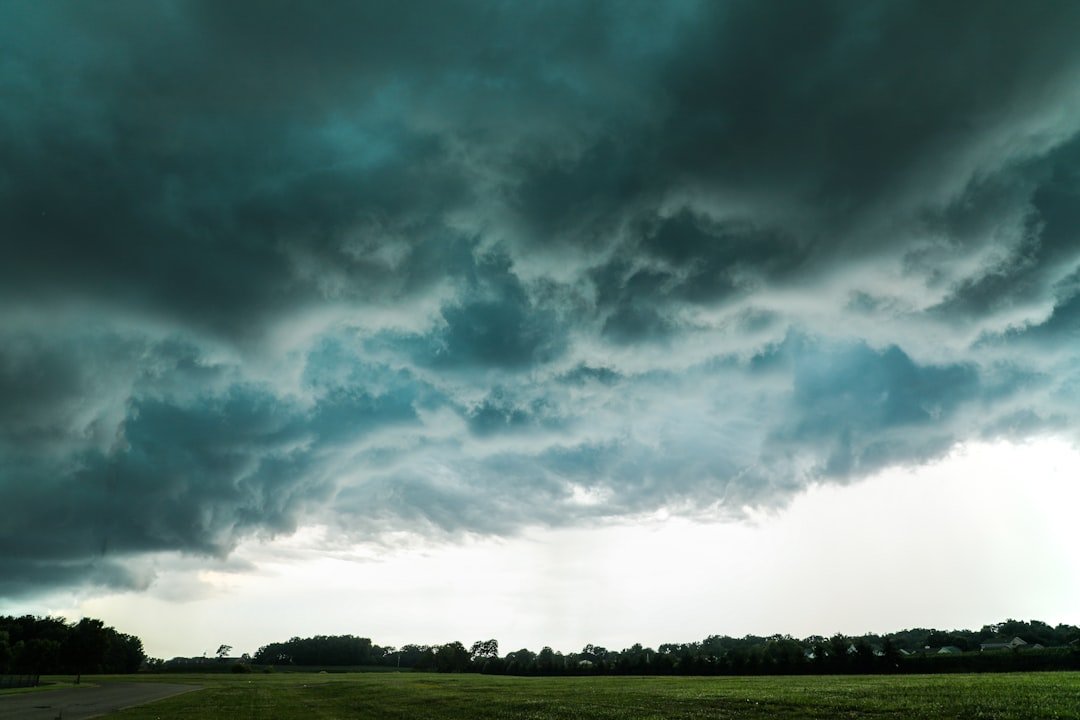
As Twin Falls County moves through the early days of April 2026, shifting spring weather patterns are drawing renewed attention to housing conditions, construction timelines, and affordability challenges across Magic Valley communities including Twin Falls, Buhl, Filer, Kimberly, and Hansen. Seasonal temperature swings, wind events, and moisture are creating both opportunities and complications for Idaho’s housing sector at a critical time of year.
Spring Weather Creates Mixed Conditions for Idaho Housing Market
Twin Falls County residents are familiar with the unpredictable nature of Magic Valley spring weather — a season that can bring warm afternoons, freezing overnight temperatures, high desert winds, and occasional late-season moisture within the span of a single week. For the local housing market, these conditions carry real consequences for buyers, sellers, builders, and renters alike.
Spring traditionally marks the beginning of the most active homebuying season in Twin Falls County, as families look to relocate before the end of the school year and construction crews resume projects delayed by winter. However, persistent weather variability in the region can push back groundbreaking schedules, delay inspections, and complicate mortgage closing timelines when properties encounter weather-related damage or deficiencies identified during the spring inspection season.
Local contractors have noted that the window between late frost and summer heat in the Twin Falls area is narrow, making the April and May construction period particularly valuable. Any disruption to that window — whether from late cold snaps sweeping down from the north or unexpected precipitation — can ripple through project schedules and ultimately affect housing inventory levels across the county.
Housing inventory in Twin Falls County has remained a subject of community concern over the past several years. The region’s growth, driven in part by employers such as Chobani and the continued expansion of services tied to the College of Southern Idaho, has sustained demand for housing across multiple price points. That demand has not always been matched by supply, putting upward pressure on both home prices and rental rates throughout Magic Valley.
Affordability and Infrastructure Pressures Compound Seasonal Challenges
Beyond weather, housing stakeholders in Twin Falls County are closely watching a range of policy and infrastructure developments at the state level that carry direct implications for local communities. State budget decisions, workforce policy, and infrastructure investment all shape the environment in which Twin Falls County’s housing market operates.
Transportation corridors including Highway 93, I-84, and Blue Lakes Boulevard serve as arteries for the county’s economic activity, and their condition and capacity factor into where residential development is feasible. Infrastructure investment decisions made in Boise can determine whether new subdivisions on Twin Falls County’s edges are viable for developers and accessible for working families.
Workforce availability also remains a key variable in housing construction. Idaho lawmakers have been debating employment verification requirements for government contractors — a discussion with potential implications for construction labor availability across the state. Idaho’s House is considering legislation that would change E-Verify requirements for government contractors, a measure that could affect the pool of workers available to housing projects across Twin Falls County and Magic Valley.
Meanwhile, state-level fiscal decisions continue to shape local conditions. Idaho Governor Brad Little recently approved $22 million in Medicaid disability budget cuts, a decision that community advocates say may affect the financial stability of lower-income households in Twin Falls County who are already navigating a tight rental market.
For families along the Snake River Canyon corridor and throughout communities from Castleford to Kimberly, housing affordability is not an abstract policy question — it is a daily reality shaped by wages, interest rates, weather, and decisions made in legislative chambers hundreds of miles away.
What Comes Next
Twin Falls County housing watchers will be monitoring spring construction activity in the weeks ahead, with particular attention to new permit applications, inventory levels, and any weather events that could affect the region’s narrow building season. State legislative action on workforce and budget issues may also carry downstream effects for local builders and buyers. Twin Falls County News will continue covering developments as they emerge. For statewide housing and policy coverage, visit Idaho News and the Idaho News Network.