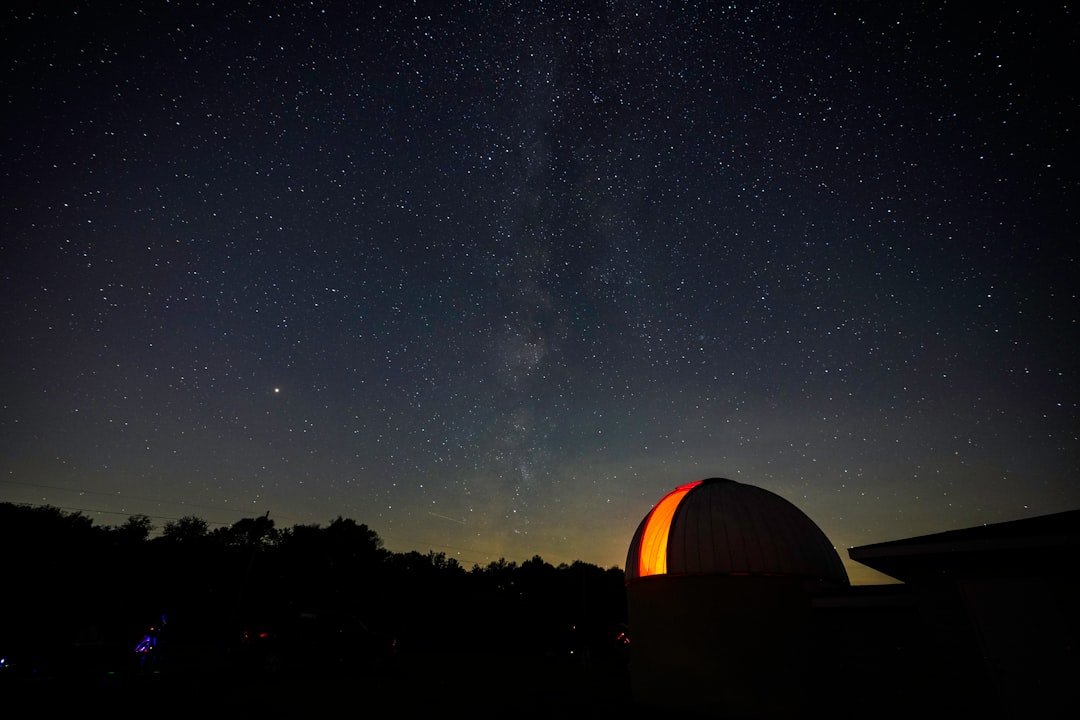
TWIN FALLS, Idaho — Residents of Twin Falls County and the broader Magic Valley region have access to a world-class astronomy facility right in their own backyard, thanks to the planetarium and observatory located on the campus of the College of Southern Idaho.
The CSI Planetarium and Observatory, situated on the Twin Falls campus, offers both educational programming and public viewing opportunities that rival facilities found in much larger metropolitan areas. For families, students, and science enthusiasts across Twin Falls, Buhl, Filer, Kimberly, Hansen, and surrounding communities, the facility represents a unique and accessible resource that continues to draw visitors from throughout Idaho and beyond.
A Facility Built for Education and Public Engagement
The College of Southern Idaho’s planetarium features a domed theater equipped with projection technology capable of simulating the night sky in stunning detail, transporting visitors across the cosmos without leaving Twin Falls County. The accompanying observatory gives guests the opportunity to view actual celestial objects through professional-grade telescopes, offering a hands-on astronomical experience that few rural communities in the country can match.
The facility serves a dual purpose — supporting the academic mission of CSI’s science curriculum while also opening its doors to the broader public. School groups from Twin Falls School District and other Magic Valley districts regularly make use of the planetarium for field trips and educational programming, giving young students an early introduction to astronomy, physics, and the sciences more broadly.
Public shows at the planetarium cover a wide range of topics, from explorations of our own solar system to deep-space journeys billions of light years from Earth. Programming is designed to be accessible to all ages, making it a popular destination for families throughout the Magic Valley looking for educational entertainment options that go beyond the typical.
Stargazing Conditions That Rival Dedicated Dark Sky Sites
Twin Falls County’s geographic position in southern Idaho offers some natural advantages for astronomy enthusiasts. While the city of Twin Falls itself produces some light pollution, the surrounding high desert landscape — with its wide open skies and relatively low population density compared to western urban centers — provides conditions that serious stargazers and amateur astronomers have long appreciated.
The Snake River Canyon area and the expansive agricultural plains stretching out from Twin Falls in multiple directions offer additional locations where residents can escape ambient light and take in the night sky in near-pristine conditions. On clear nights, the Milky Way is visible with the naked eye from many locations in Twin Falls County, a sight increasingly rare for Americans living in heavily urbanized parts of the country.
The CSI Observatory capitalizes on these regional advantages, situating high-quality viewing equipment in a location that balances accessibility for urban visitors with reasonable proximity to darker skies.
A Community Asset Worth Supporting
For a community of Twin Falls County’s size, having a functioning planetarium and observatory represents a significant civic and educational asset. Facilities of this caliber are typically associated with large research universities or major metropolitan science museums, making CSI’s offering a genuine point of distinction for the Magic Valley.
The facility also aligns with broader efforts to support science, technology, engineering, and mathematics education in Idaho — a priority for educators, employers, and policymakers who recognize that a technically skilled workforce is essential to the state’s continued economic growth. Companies like Chobani, which operates a major facility in Twin Falls, represent the kind of technically sophisticated employers that benefit from a community pipeline of scientifically literate workers.
Local families looking for educational and enriching activities have consistently found the CSI Planetarium and Observatory to be among the more memorable experiences Twin Falls County has to offer, combining the accessibility of a community college campus with programming that genuinely informs and inspires.
What Comes Next
Residents interested in attending public shows or observatory viewing nights are encouraged to contact the College of Southern Idaho directly for updated schedules, ticket information, and group booking options. Programming schedules can vary seasonally, with certain celestial events — meteor showers, planetary alignments, and lunar phases — often prompting special public viewing events. For more statewide education and community news from across Idaho, readers can visit Idaho News and the Idaho News Network.